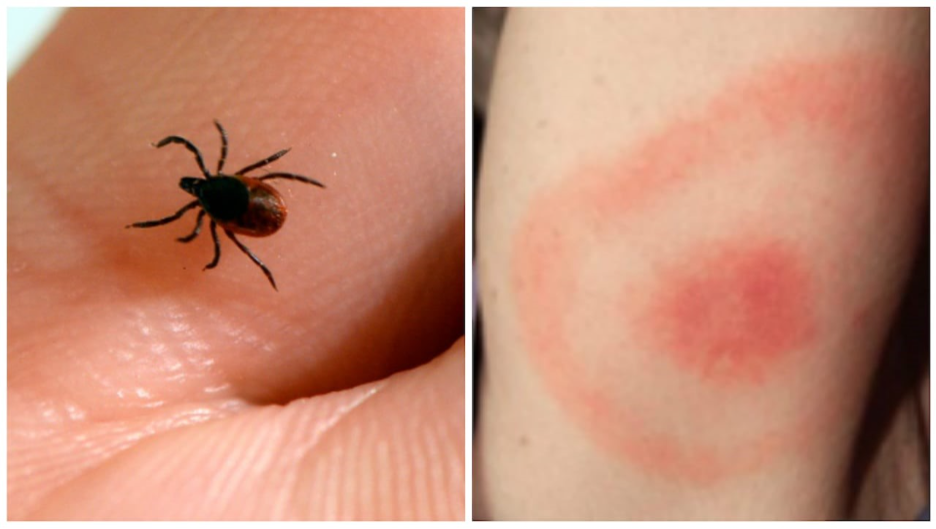



With warmer weather comes more time outdoors, and more exposure to ticks. Blacklegged ticks (also known as deer ticks) are found throughout much of Ontario and can carry Lyme disease, a bacterial infection that can cause serious illness if left untreated
Lyme Disease in Ontario
Lyme disease is becoming increasingly common in Ontario. Reported cases have risen significantly over the past decade as blacklegged tick populations have expanded across southern Ontario, including many rural and wooded regions.
Not every tick carries Lyme disease, and not every tick bite leads to infection. However, knowing what to look for and when to seek care can help prevent complications.
Where Are Ticks Found?
Ticks are commonly found in:
- Tall grass
- Forests and wooded trails
- Leaf litter
- Parks and conservation areas
- Gardens and shrubs
Ticks cannot jump or fly. They attach to people and animals when brushed from vegetation.
After spending time outdoors, perform a full-body tick check, paying close attention to:
- Scalp and hairline
- Behind the ears
- Under the arms
- Around the waist
- Groin area
- Behind the knees
- Between the toes
Signs and Symptoms of Lyme Disease
Symptoms can develop anywhere from 3 to 30 days after a bite from an infected tick.
Early symptoms may include:
- An expanding red rash
- Fever or chills
- Headache
- Fatigue
- Muscle aches
- Joint pain
- Swollen lymph nodes
A classic “bull’s-eye” rash may occur, but many people develop a solid red expanding rash instead. Some people never develop a noticeable rash.
If left untreated, Lyme disease can affect the joints, nervous system, and heart.
Can a Pharmacist Prescribe Preventive Treatment?
Yes. Ontario pharmacists can assess tick bites and prescribe a preventive dose of doxycycline in certain situations.
You may qualify if:
- The tick is identified as a blacklegged tick.
- The tick was attached for approximately 24 hours or longer.
- The tick was removed within the last 72 hours.
- The bite occurred in a Lyme disease risk area.
- Doxycycline is safe for you to take.
If you find an attached tick, contact a pharmacist as soon as possible. Preventive treatment is most effective when started promptly.
When Should You Contact the Haldimand Family Health Team?
Book an appointment if you:
- Notice a bull’s-eye or spreading red rash
- Experience fever, chills, headache, fatigue, muscle aches, or joint pain after a tick bite
- Develop facial weakness, numbness, tingling, or other neurological symptoms
- Have concerns about a recent tick bite and are unsure whether further assessment is needed
Seek urgent medical attention if you develop:
- Chest pain
- Shortness of breath
- Fainting
- Significant facial paralysis
- Severe neurological symptoms
How to Remove a Tick
- Use fine-tipped tweezers.
- Grasp the tick as close to the skin as possible.
- Pull upward slowly and steadily.
- Clean the area with soap and water.
- Wash your hands.
- Take a photo of the tick if possible.
- Monitor for symptoms for 30 days.
Preventing Tick Bites
- Wear long sleeves and long pants when hiking or gardening.
- Use an insect repellent containing DEET or Icaridin.
- Stay on marked trails when possible.
- Shower and perform a tick check after outdoor activities.
- Check children and pets carefully after being outdoors.
We’re Here to Help
If you have questions about a tick bite, need an assessment for possible Lyme disease, or are unsure whether you may qualify for preventive treatment, contact the Haldimand Family Health Team.
Early recognition and treatment are the best ways to prevent complications from Lyme disease.