



Written by Shannon Moore, Dietetic Intern
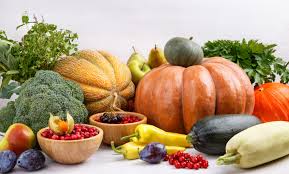
As the weather cools and the leaves turn, fall brings with it a harvest of colorful, nutrient-packed foods. These seasonal fruits and vegetables can be delicious additions to our meals, loaded with vitamins, minerals, and antioxidants that help support our health through the colder months. Eating with the seasons can keep our meals exciting while giving our body what it needs! In today’s blog, we’ll highlight some of our favourite, nutrient-packed fall vegetables and share some tips on how to incorporate them into your meals this season.
Pumpkin and Winter Squashes
Pumpkin, butternut squash, and acorn squash are delicious fall staples. They’re rich in vitamin A, which supports our vision, immune function, and skin health. They also provide us with fibre, which supports our digestion, blood sugar management, and cholesterol levels. Roasted squash is delicious on its own, but you can also blend it into creamy soups, toss it into grain bowls, or puree it into sauces for pasta. Pumpkin purée works beautifully in oatmeal, smoothies, or even baked goods like muffins!
Apples
An apple a day really does go a long way! Apples are high in fiber, especially if you keep the skin on, which helps regulate digestion and blood sugar levels. They also contain vitamin C, an antioxidant that strengthens our immune system. Beyond eating them raw, apples can be baked with cinnamon for a cozy dessert, sliced into salads with walnuts and goat cheese, or simmered into a homemade applesauce. They pair well with savory flavors too – we love the occasional roasted pork chop with apple sauce!
Tip: No one apple is better than another, choose the kind that you enjoy the most!
Brussels Sprouts and Cabbage
Cruciferous vegetables like Brussels sprouts and cabbage pack a nutritional punch. They’re excellent sources of vitamin K, which supports bone health and blood clotting. They also contain vitamin C, which supports our immune system, wound healing, and iron absorption. Roasting Brussels sprouts in the oven until they’re caramelized brings out their natural sweetness, especially when tossed with balsamic glaze or Parmesan cheese. Cabbage can be braised, stir-fried, or shredded into hearty slaws as a delicious and crunchy side.
Sweet Potatoes
Sweet potatoes are rich in beta-carotene, vitamin C, potassium, and fibre. Beta-carotene is a form of vitamin A which, as we mentioned earlier, supports our vision, skin health, and immunity. Vitamin C supports our collagen production and wound healing, while protecting our cells from damage. Potassium supports our heart health and blood pressure, while fibre promotes digestion and helps regulate our blood sugars. Sweet potatoes also provide us with steady energy thanks to their complex carbohydrates. This fall vegetable is extremely versatile! You can roast them with olive oil and spices (we recommend paprika, it’s a delicious combo), mash them with a touch of cinnamon, or cube them into soups and stews. They also pair wonderfully with black beans in tacos or grain bowls.
Cranberries
Fresh cranberries are delightfully tart and packed with antioxidants, particularly vitamin C and polyphenols, which support our urinary tract health and fight inflammation. They’re often associated with Thanksgiving sauce, but you can also toss them into baked goods, cook them down into a chutney for roasted meats, or stir dried cranberries into oatmeal or salads.
Fall produce makes it easy to eat well while enjoying comforting, flavourful meals. By adding these seasonal fruits and vegetables into your diet, we’re not just savoring the taste of autumn, but we’re also giving our body vitamins, minerals, and antioxidants that support our health all season long!
Interested in a fall recipe? Check out our Harvest Chicken Casserole recipe below!
Harvest Chicken Casserole
Serves: 8
Prep Time: 20 minutes
Ingredients:
- 4 tbsp cooking oil
- 2 boneless skinless chicken breasts
- 1 tsp salt
- 2 tsp pepper
- 2 medium sweet potatoes, peeled and cut into small cubes
- 3 large carrots, peeled and cut into circles
- 1 lb Brussels sprouts, trimmed and quartered
- 1 tsp garlic powder
- 1 tsp dried thyme
- 1 tsp dried rosemary
- 1 tsp paprika
- ½ tsp ground cumin
- 1 cup chicken broth
- 4 cups cooked wild rice
- ½ cup dried cranberries
- ½ cup slivered almonds
- ½ cup chopped walnuts
Directions
- Preheat oven to 375 ˚
- In a large, deep skillet, over medium-high heat, heat 1 tablespoon oil.
- Season chicken with salt and pepper to taste.
- Add chicken to skillet and cook until golden and cooked through. Let rest then cut into 1″ pieces.
- Heat another tablespoon oil over medium heat.
- Add carrots, sweet potatoes, Brussels sprouts, broth, pepper, garlic powder, rosemary, thyme, paprika, and cumin
- Cook until softened and place cooked vegetables in a large baking dish
- Stir in cooked rice and chicken
- Top with almonds, walnuts, and cranberries
- Bake until dish is hot and nuts are toasted, about 15 minutes.